
A durable rat‑prevention plan focuses on sealing every entry, removing food and water, and redesigning outdoor areas to deny shelter. Inspect roofs, vents, pipes, doors rat pest control, and foundations; use stainless mesh, metal flashing, concrete patching, and tamper‑resistant fasteners. Store food in airtight containers, control pet feeding, and fix leaks. Trim vegetation from walls, elevate wood and compost, and improve drainage. Choose permanent repairs, schedule inspections, and add monitoring; further practical steps and product choices follow.
.jpg)
Identify and Seal All Entry Points
Before sealing, conduct a systematic inspection of the exterior and interior of the building to locate all possible rodent entry points. The practitioner catalogs gaps around attic vents, rooflines, utility penetrations, and foundation cracks, prioritizing breaches by size and accessibility. Durable materials—stainless-steel mesh, concrete patch, and metal flashing—are specified for permanent closures; temporary fixes are logged for follow-up. Doors and screens receive measurable tolerances to prevent gnawing and squeezing https://igreenasia.com/. Installation follows best-practice sequencing: clear, treat, seal, then verify with realtime monitoring for recurrence. Documentation includes photos, materials, and expected lifespan. This method reduces reinfestation risk and integrates with longer-term building resilience strategies, aligning prevention with scalable, innovation-minded maintenance protocols.
Eliminate Food Sources Indoors
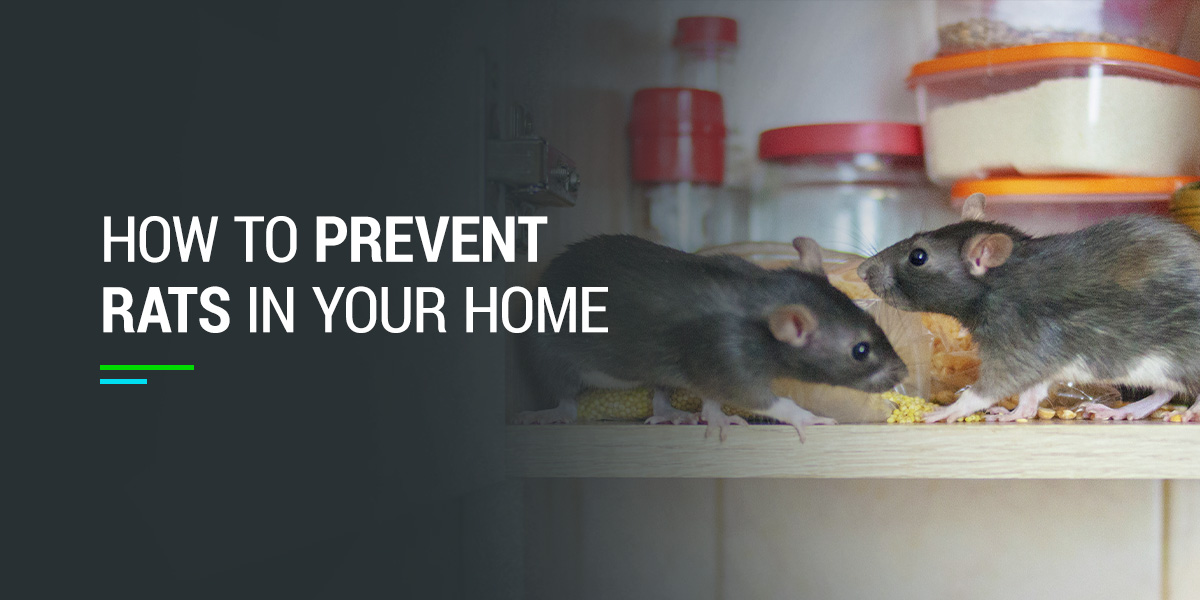
Remove all accessible food and water that might sustain rodents. Indoors, store pantry items in airtight secure containers and retrofit shelving to eliminate gaps where spills collect. Implement pet feeding controls: schedule meals, remove bowls promptly, and consider gravity feeders that limit leftovers. Empty and clean crumbs from appliances, counters, and under sinks daily; use sealable compost bins for food scraps and dispose of perishables regularly. Repair leaky pipes and condensate trays to deny moisture. Upgrade trash management with lidded, regularly sanitized bins and keep recyclables rinsed and contained. Adopt smart monitoring: motion sensors or low-profile cameras in seldom-used spaces to detect early activity. Consistent routines combined with modern storage solutions reduce attractants and make indoor environments unattractive to rats.
Remove Outdoor Attractants and Water
Vegetation trimmed away from foundations and eaves removes cover and pathways that encourage rat activity. Clearing gutters, removing containers that collect rain, and fixing leaks eliminates standing water that rats need for survival. Together these measures reduce the shelter and moisture that attract rodents to the property.
Trim Vegetation Near Structures
Trim plants, shrubs, and tree limbs that touch or overhang a home’s exterior to eliminate sheltered pathways and nesting sites for rats. A proactive maintenance plan recommends prune shrubs to create a clear buffer: keep vegetation trimmed at least 18–24 inches from walls and remove low branches that provide bridges to eaves. Clear groundcover that conceals rodent movement and replace dense plantings with low, sparse landscaping or engineered ground materials. Inspect periodically, focusing on ivy, hedges, and cluttered mulch beds where rats hide. Use targeted pruning tools and schedule seasonal cleanups to maintain predictable, inspectable perimeters. This approach reduces harborage while enabling innovative landscape designs that balance aesthetics with pest-resistant principles, minimizing opportunities for infestation without sacrificing curb appeal.
Eliminate Standing Water
Standing water invites rats by providing a reliable drinking source and supporting insects that bolster the rodent food supply. The recommendation emphasizes rapid identification and removal of outdoor water accumulation: eliminate puddles, invert unused containers, and screen or seal rain barrel openings to prevent access while preserving water-harvesting utility. Implement engineered solutions—graded landscapes, permeable surfaces, and robust drainage systems—to move water away from foundations and eradicate breeding sites. Inspect gutters, downspouts, and low spots seasonally; retrofit with extensions or French drains where pooling recurs. Adopt smart monitoring: moisture sensors or periodic audits to detect failures before infestations begin. These measures reduce attractants efficiently, integrate with sustainable water practices, and create a proactive barrier that complements vegetation management and structural rat-proofing.
Use Landscaping and Storage to Deter Rodents
By arranging plants, ground cover, and outdoor storage deliberately, homeowners can remove shelter and food sources that attract rats. Strategic mulch management reduces deep, loose layers that hide burrows; use thinner mulch or replace with gravel near foundations. Raised beds with clean, well-sealed undersides prevent rodents from nesting beneath vegetable patches. Maintain a clear perimeter: trim shrubs away from walls, keep grass short, and avoid dense ground cover adjacent to structures. Store firewood, compost, and garden supplies on elevated, ventilated racks with tight lids or metal shelving to deny concealed shelter. Choose plantings that discourage rodents—sparse, low-maintenance varieties—and design straight, well-lit walkways to eliminate dark refuges. Regular inspection and prompt removal of debris sustain these defenses.
Choose Long‑Lasting Exclusion Materials and Repairs
After clearing vegetation and removing outdoor hiding spots, attention should shift to sealing points of entry with durable materials and workmanship that withstand rodent gnawing and weather. The recommendation favors heavy-gauge durable mesh and stainless steel flashing for vents, gaps, and foundation perforations; these resist chewing and corrosion longer than plastic or thin metals. Door sweeps, concrete patching, and tightly fitted metal collars at utility penetrations provide mechanical barriers; fasteners should be tamper-resistant and weatherproof. Innovative sealants and composite plates can complement metalwork where aesthetics matter. Repairs should prioritize permanence over temporary fixes: cut and replace compromised materials rather than cover them. Clear specifications, proper overlap, and professional-grade installation reduce repeat breaches and extend the life of exclusion measures.
Monitor, Maintain, and Know When to Call a Professional
Regularly scheduled inspections guarantee exclusion work remains effective and reveal early signs of rodent activity or repair failure. A proactive plan uses routine inspections and pest monitoring technology—motion sensors, remote cameras, and digital logs—to document pressures and inform targeted interventions. Maintenance checklists assign quick tasks: seal degradation, vent screens, and vegetation clearance. When anomalies persist—new droppings, gnaw marks, or recurring entry points—a professional assessment determines infestation extent and structural vulnerabilities beyond DIY scope. Professionals provide diagnostic testing, durable repairs, and integrated control strategies that align with sustainable, innovative practices. Follow up maintenance schedules preserve integrity of fixes and validate outcomes from treatments. This cycle of inspect, act, and reassess minimizes recurrence and optimizes long‑term exclusion performance.
Conclusion
Preventing rats requires consistent, practical action. Identify and seal entry points, eliminate indoor food sources, and remove outdoor attractants and water. Use landscaping and proper storage to reduce shelter and cover, and choose durable materials for exclusions and repairs. Regular monitoring and maintenance keep protections effective; document problems and responses. When infestations persist or risks are high, enlist a licensed pest professional. Ongoing vigilance guarantees long‑lasting rodent prevention and protects health and property.